
For International Women & Mothers
Pregnant in Germany.Far from home.
English-speaking support for birth in Germany, far from home.
You Are Not Alone
I know exactly what this feels like
Your appointments are in German. Your midwife (Hebamme) uses terms you have to look up afterwards. The system works differently from what you grew up with, and the people who would normally walk you through it, your mother, your sister, your closest friends, are in another country.
You are doing this more alone than you expected, and in a language that is not quite yours. If that is where you are, you are in the right place.
I grew up in Wales and gave birth in Germany, far from my family, in a language I was still learning. I know what it feels like to sit in an appointment and not fully understand what has just been decided.
That experience is why Birth & Mother exists: a place where the whole journey is laid out in plain English, so you do not have to piece it together alone or wait until you are home to understand what just happened.
What's Different
What surprises international families about birth in Germany
The German maternity system is thorough and well-resourced, but it is structured differently from what you grew up with, whether home is India, the UK, the US, or somewhere else entirely. A few things tend to surprise international families most.
The language, and your right to understand
Even with good German, medical conversations in pregnancy and labour are hard. You have the right to follow what is being decided and to ask your questions before a decision is made, not after. Knowing the shape of the conversation in advance is half the battle, which is exactly what the Library is for.
Your care team works differently
A midwife (Hebamme) can carry out most of your routine care and attends every birth by law, running in parallel with the gynaecologist who leads your check-ups and scans. After the birth, a midwife visits you at home. It is generous, and not what most people arrive expecting.
The Wochenbett is taken seriously
Germany treats the postpartum (Wochenbett, literally “bed of weeks”) as a real phase that asks for rest and care, with midwife visits to your home built in. For many international families this is a gentle surprise, and something worth planning for before the baby comes.
The paperwork is its own language
The Mutterpass you carry everywhere, registering the birth, parental allowance and child benefit: a lot of admin, often opaque, and with no family nearby to decode it. It is all walkable once someone lays it out plainly.
The Library walks through all of this, in English, in one place.
A personal note
When I was pregnant with my second daughter here in Germany, I would often leave appointments holding more questions than answers. I made decisions before I felt ready, and the language around me did not yet feel like my own.
I remember the quiet of those days. Wanting to understand, wanting to be understood. Slowly finding my footing.
That is where this work began.
I am a doula. I support women through pregnancy, birth, and the early days after. I am not here to take over decisions. I am here to stay close while you make them. To help slow things down when they move too fast. To translate not just the language, but what is really being said, so you feel clear about what is happening.
If English is the language you feel safest in, I would love to support you.
Not by telling you how to give birth, but by staying beside you while you prepare to do it your own way.
This can mean joining you at appointments. Or helping you write the questions you want to ask. Making sense of options as they arrive, or simply being beside you when things feel uncertain. It can also mean being present after the baby comes, when everything is new.
Much of this work need not happen in person. I support many families across Germany by video call, in the weeks before birth and in the weeks after.
You do not have to be in Potsdam to feel cared for.
You do not need to arrive with a clear idea of what you need.
If you would like, you can simply write to me. We can begin with a conversation about where you are right now, and see together what feels right.
with love, Emma
Care in Your Language
Finding people who speak your language
The single hardest practical thing is finding care in English. A few ways in that genuinely work:
- Ask your health insurer (Krankenkasse) for English-speaking midwives and practices. Many run a midwife-matching service.
- Local expat and parent groups are gold for first-hand recommendations.
- When you tour a hospital or go to an information evening (Infoabend), ask directly whether English-speaking midwives are on the team.
- Start your midwife search the week you get a positive test. Demand is high, and the best are booked early.
The full how-to on finding and keeping a midwife lives in the Library.

Building a Village
How to build a village when your own is far away
German maternity care is generous, but it quietly assumes a village nearby, the mother, aunts, and friends who would normally step in. International families often do not have that within reach. The good news is that the village can be built.
A postpartum midwife visits you at home in the early weeks. A trained postpartum and household helper (Mütterpflege) can be part-covered by your insurer in certain situations. A meal chain among friends, a doula, an online circle of women in the same season: these are how people do it, and none of it is a luxury. It is how the early weeks become gentle rather than survival.
How to set up support for the weeks after birth is laid out in the Library.
Where to begin
A gentle introduction to Birth & Mother
If this is the first time you have landed here, Birth & Mother is a small home for English-speaking families having a baby in Germany. There are three places to begin, and you are welcome to wander.
The Library
The complete English-language guide to pregnancy, birth, and the weeks after in Germany, in one place.
The Journal
Honest writing on birth and motherhood far from home, from someone who has lived it.
The Community
Open groups on Telegram and gatherings in Potsdam and Berlin, women going through it alongside you.
And if you would like a person beside you, there is doula care and a one-to-one orientation.
Further Reading
Written for you
The Birth & Mother Journal exists because of the gap in honest, practical, English-language writing for international families navigating pregnancy and birth in Germany.
Birth Without Your Village
On what it means to become a mother far from the people who would usually hold you.
Navigating the German Birth System
A practical overview of how the German maternity system works, written for women coming from elsewhere.
The Fourth Trimester in Germany
What postpartum recovery looks like in Germany, and how to make the most of what the postpartum tradition offers.
Your Guide
Enter your email and we'll send you the guide, plus keep you updated with new posts from the Birth & Mother Journal.
We'll send a confirmation email. No spam, unsubscribe any time.
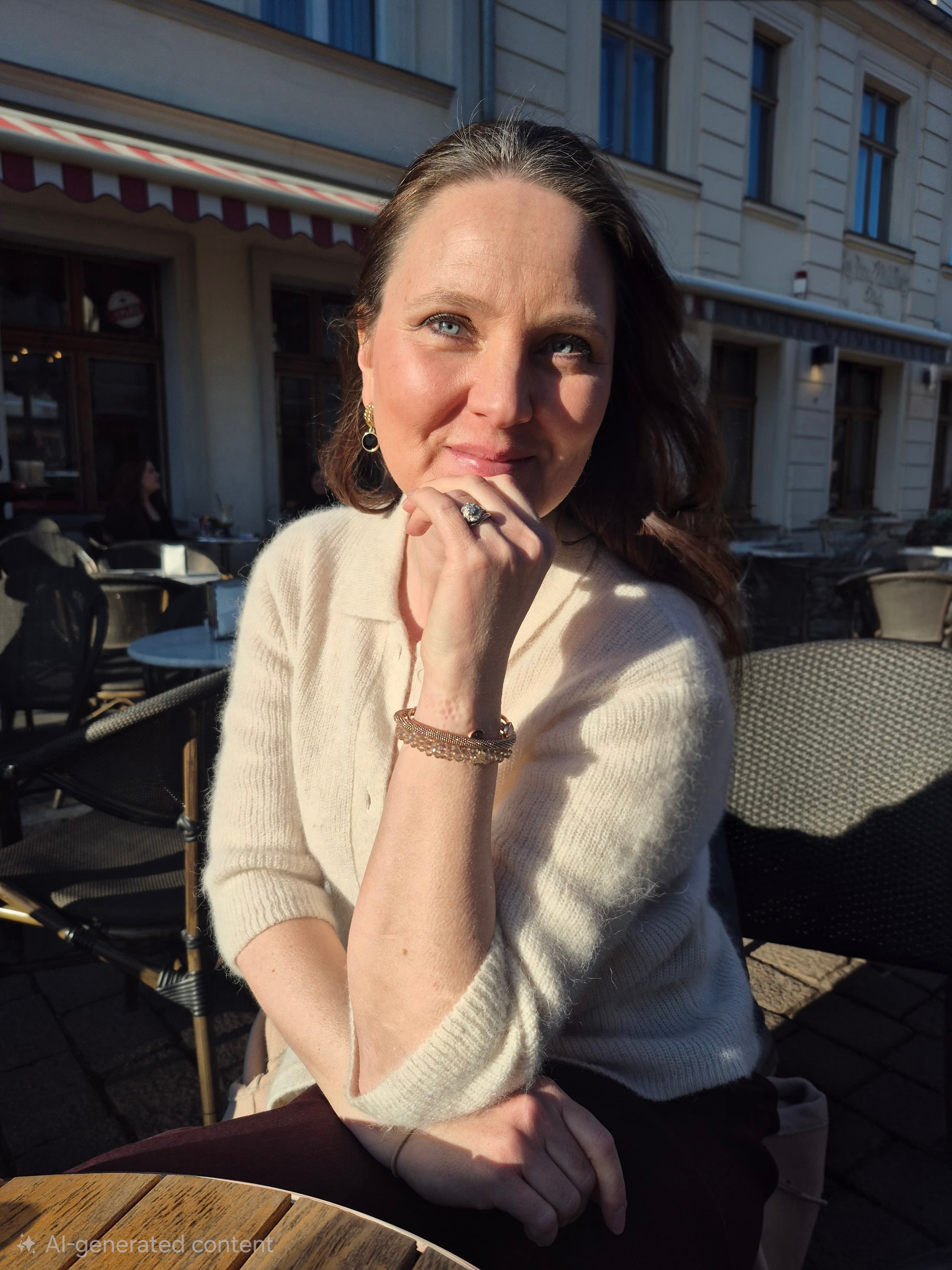
Come and say hello
Whether you have a question or simply want to know you are not doing this alone, you are warmly welcome to get in touch.
Say hello